Insights
A space for exploration
How the body responds, adapts, and restores balance over time
A space for deeper exploration
Here, the ideas behind PhiNutriomics unfold through writing — connecting science, environment, and lived experience.
Each piece offers a way to understand how the body responds, adapts, and restores balance over time.
Latest writing
Recent articles explore different aspects of health through the lens of environment, individuality, and biological communication.
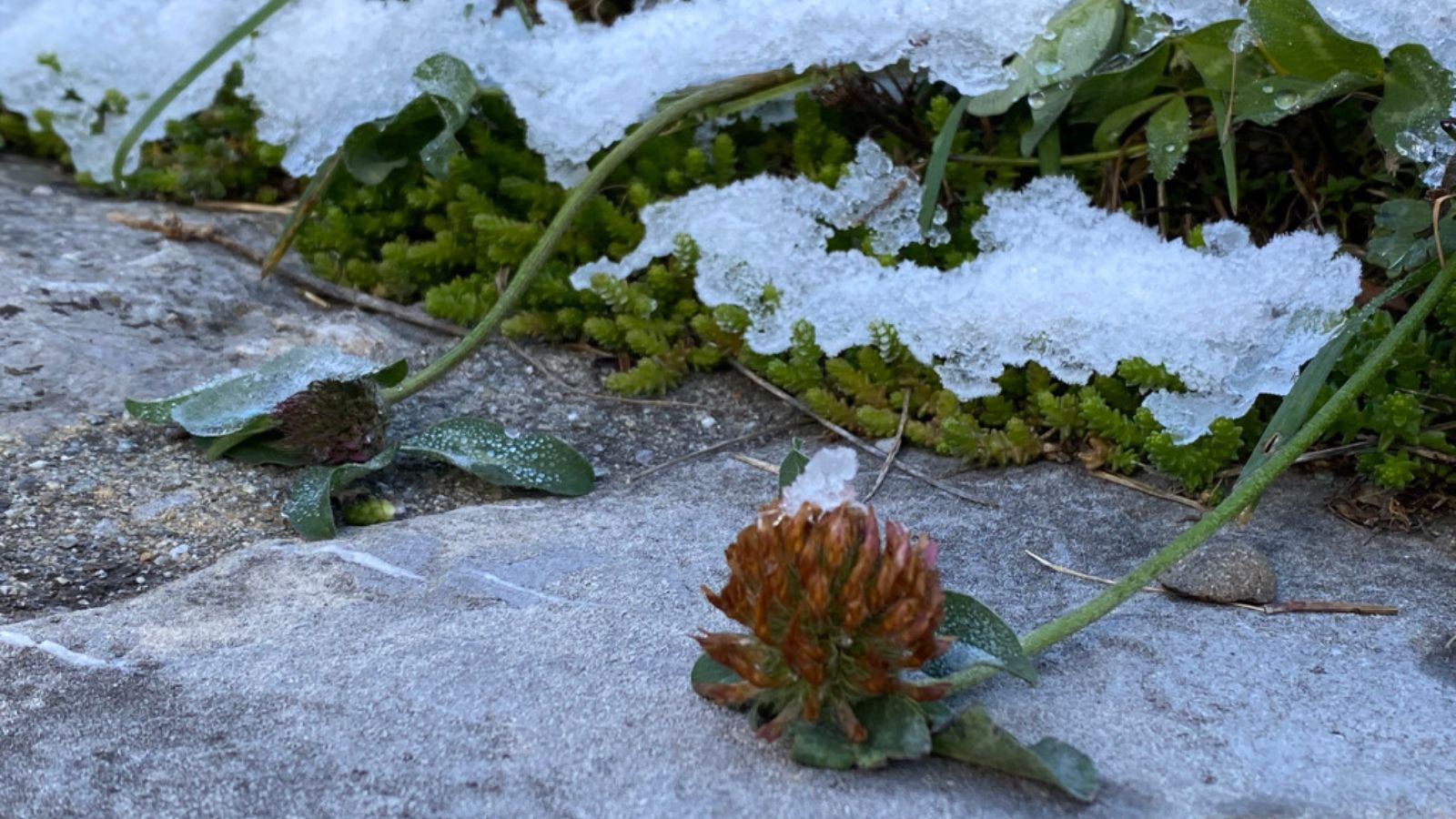
Migraine: Understanding the Conversations Beneath the Symptoms
Migraine rarely follows a single cause. This article explores a different way of understanding migraine through the Terrain Lens — considering how rhythms, nourishment, environment, energy production and lived experience interact to shape the conditions from which symptoms emerge.
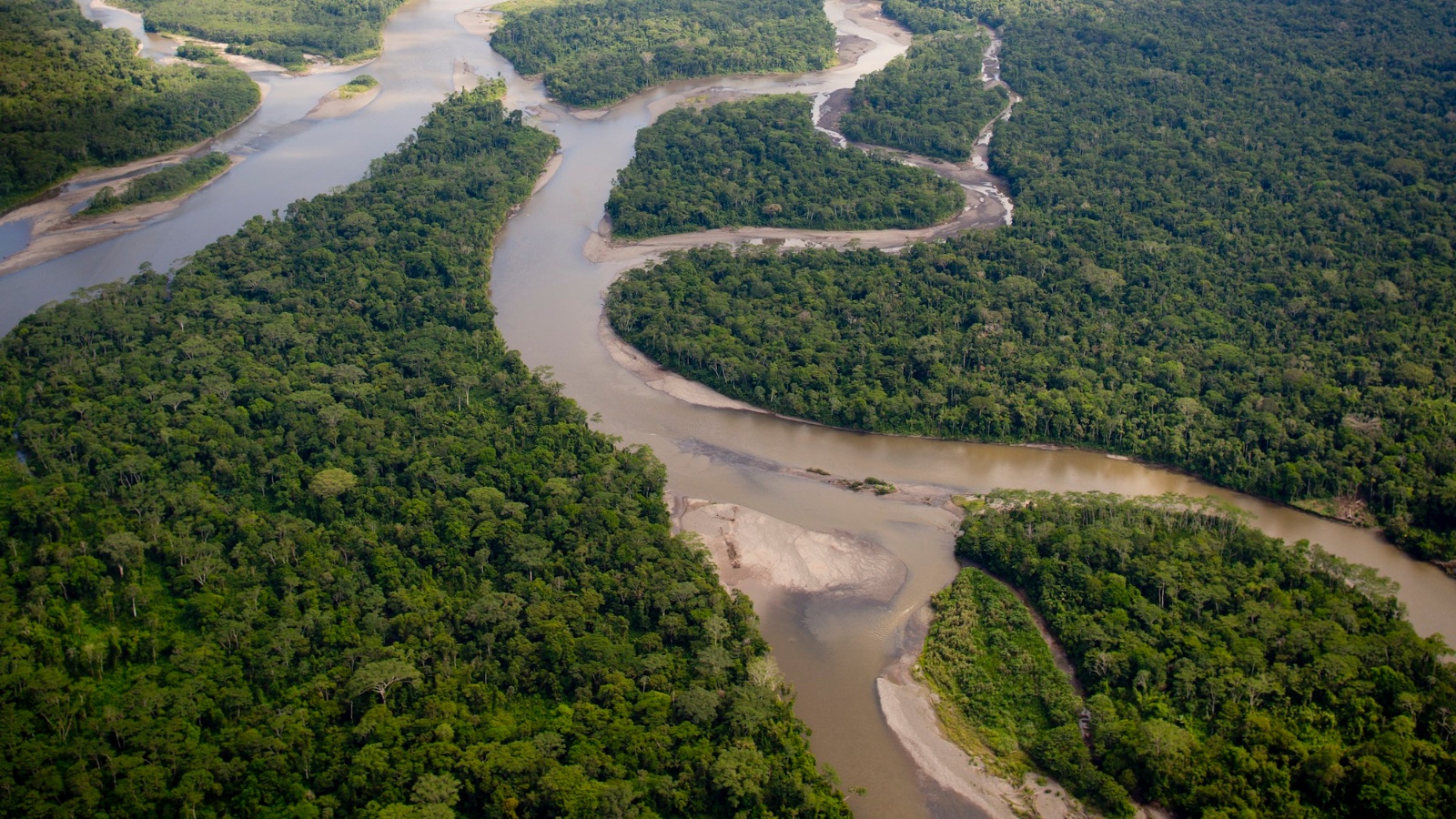
What Else Shapes the Terrain?
What if our genes are only part of the story? This introduction explores why health is shaped not only from within, but through our continual conversation with the world around us.

Beyond Water: Hydration Is a Relationship
From chia seeds and watermelon to gazpacho and summer gardens, this gentle reflection explores hydration as a relationship between nourishment, environment, and the body’s natural wisdom.
Areas of exploration
These themes reflect the different ways health is shaped — from internal rhythms to the environments we live within.
Rhythm & Resilience
Circadian rhythms, mitochondrial health, and the body’s adaptive capacity
The Gentle Home
Indoor environments, invisible exposures, and creating supportive living spaces
Roots & Blueprints
Genetics, epigenetics, and how biology responds to lived experience
Energy & Emotion
Nervous system regulation, emotional safety, and the body’s internal landscape
Nature as Nourishment
Food as information, culinary genomics, and seasonal rhythms
The Terrain Lens
A wider perspective on health — integrating systems, patterns, and prevention
Further resources
A growing library of guides and resources offers more structured ways to explore and apply these ideas in daily life.
There is no single path through this work —
only different entry points into the same underlying terrain.